Key Electrical System Upgrades to Factor Into Your Business Renovation
When planning a commercial renovation, the electrical system is one area where getting it right from the start pays off for years. The goal is to match the building's electrical capacity with the actual energy demand of your operations, while staying compliant with current code. This means thinking beyond just adding a few outlets. You need to assess the service entrance, the main electrical panel, and every branch circuit that feeds your equipment. A well-planned upgrade also makes future expansion easier and safer.
The first step is to understand what your existing electrical infrastructure can handle. Many older commercial buildings were designed for a much lower load than modern businesses require. Computers, HVAC systems, kitchen equipment, and specialized machinery all draw significant power. If you simply add new circuits to an already strained panel, you risk tripping breakers and creating a fire hazard. A professional load calculation will tell you whether your current service entrance and distribution board are adequate. If they are not, upgrading them should be a priority before any other work begins.
Assess the Service Entrance and Main Panel
The service entrance is where utility power enters your building. It includes the meter, the main disconnect, and the conductors that carry electricity to the main distribution panel. If your renovation adds significant load, you may need a larger service entrance. This is not a simple swap. It often involves coordinating with the utility company and upgrading the conduit and conductors. A qualified commercial electrician can evaluate your existing service and recommend the right size for your projected needs.
The main electrical panel, sometimes called the distribution board, is the central hub that sends power to all the branch circuits in your building. Older panels may lack space for additional breakers or may use obsolete technology. During a renovation, it is often wise to replace the panel with a larger model that provides room for future circuits. This is also a good time to consider adding subpanels for specific areas, such as a dedicated panel for a kitchen or a workshop. Subpanels make it easier to manage loads and isolate problems without shutting down the entire building.

Plan Branch Circuits for New Equipment
Every piece of equipment that runs on electricity needs a dedicated branch circuit if its load is significant. Common examples include commercial ovens, large printers, elevators, and HVAC units. Shared circuits can cause voltage drops and nuisance tripping. When you lay out your renovation, list every major appliance and machine you plan to install. Then work with an electrician to determine the correct wire gauge, breaker size, and outlet type for each one. Do not assume that existing wiring can handle a new piece of equipment, even if the plug fits.
Also consider the physical location of outlets and equipment. In a commercial kitchen, for instance, outlets must be placed away from water sources and must meet specific code requirements for moisture resistance. In a workshop, you may need higher amperage outlets for welders or compressors. Planning these locations on paper before the walls go up saves a lot of frustration later. It is far easier to run conduit and pull wire through open framing than to fish it through finished walls.
Upgrade for Energy Efficiency and Code Compliance
Modern commercial electrical codes, such as the National Electrical Code, change every few years. They often require new safety features such as arc-fault circuit interrupters and ground-fault protection in more areas. A renovation is the perfect time to bring your system up to the latest code. This not only keeps you compliant but also reduces the risk of electrical fires. Many older buildings lack proper grounding or have outdated wiring that can overheat under load. Replacing that wiring with modern copper conductors and properly sized conduit is a worthwhile investment.
Energy efficiency is another factor. LED lighting uses a fraction of the power of older fluorescent or incandescent fixtures and lasts much longer. Upgrading the lighting system during a renovation can reduce your monthly utility bills significantly. Similarly, installing occupancy sensors and daylight harvesting controls can cut waste in areas that are not always occupied. These systems require low-voltage wiring and control panels, which should be planned alongside the main electrical rough-in.
Consider Load Balancing and Future Expansion
Load balancing is the practice of distributing electrical loads evenly across the phases of a three-phase system. An unbalanced system can cause overheating of transformers and motors, and it reduces efficiency. When you add new circuits, a good electrician will check the load balance and adjust as needed. This is especially important in buildings with large motors or heavy machinery that cycle on and off.
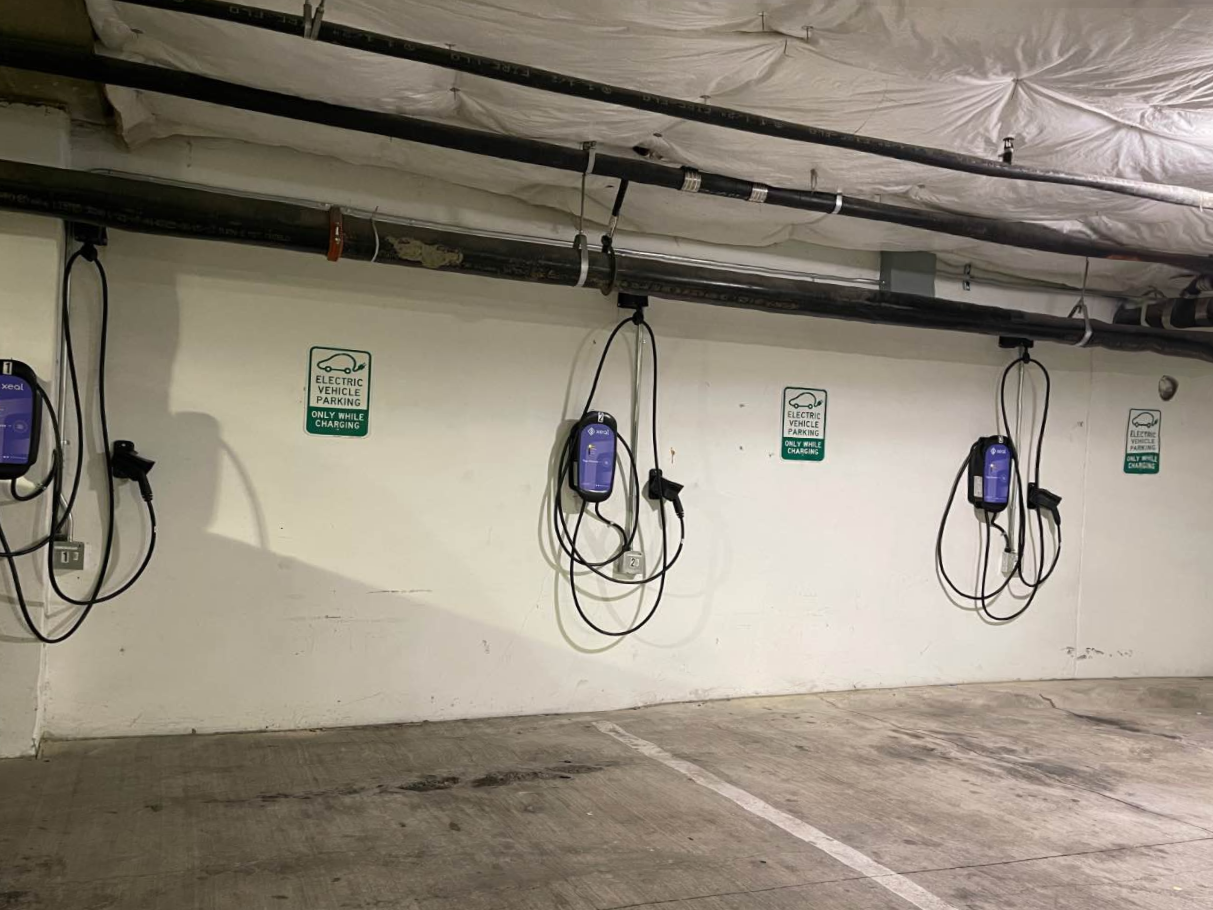
Think ahead about what your business might need in five or ten years. Maybe you will add more workstations, a server room, or electric vehicle charging stations. Running extra conduit and leaving spare capacity in the panel now is much cheaper than tearing into walls later. For example, installing a few empty conduits from the main panel to key areas gives you a pathway for future wiring without major disruption. The same goes for installing a larger panel than you currently need. The extra breaker slots are inexpensive now but could save thousands later.
A business renovation is a significant investment, and the electrical system is its backbone. Getting the planning right takes time and expertise, but it pays off in safety, reliability, and efficiency. If you are working with a contractor, make sure they understand the full scope of your electrical needs. For businesses in the San Jose and Santa Clara area, Wooding Electric provides commercial electrical installation, repair, troubleshooting, upgrades, and power distribution services. Their team can help you evaluate your current system and design an upgrade that meets your needs today and tomorrow.
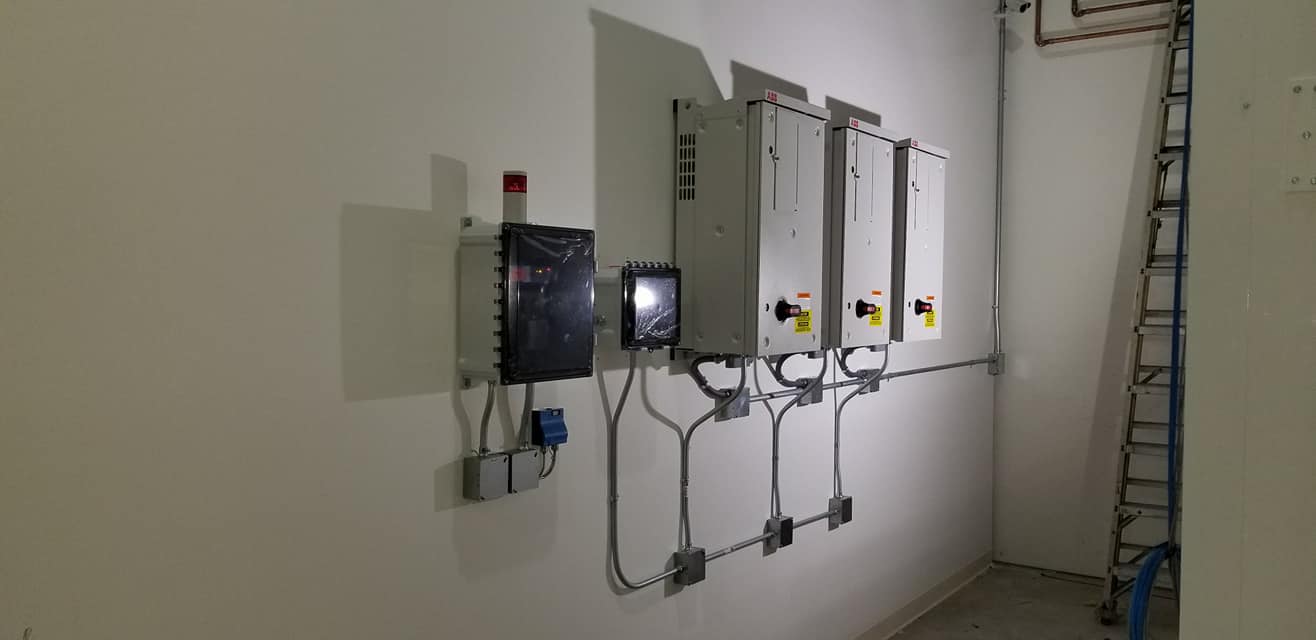
Finally, do not overlook the importance of proper documentation. After the renovation, keep a clear record of the panel schedule, circuit maps, and any permits. This makes future troubleshooting and expansion much easier. It also helps when selling the property, as a well-documented electrical system is a strong selling point. A thoughtful approach to commercial electrical upgrades during your renovation will support your operations for years to come.